
Locked down by default
Apply security at the infrastructure layer. Prevent misconfiguration and enforce governance from day one.
What is This?
Zero Trust operates on the assumption of breach. Every access request is verified, authenticated, and authorized based on dynamic policy. There is no implicit trust.
Network Isolation: Every project is network-isolated by default. Access between projects must be explicitly defined and authorized.
Lateral Movement Suppression: Segmentation is enforced at the infrastructure level to prevent ransomware propagation and lateral movement.
Containment: Multiple security layers are designed to isolate incidents, ensuring that a compromise in one segment does not impact the broader environment.
How Infrastream Enforces Zero Trust
Infrastream integrates seamlessly with your existing ecosystem - no rebuilds, no disruptions.
Microsegmentation That Actually Segments
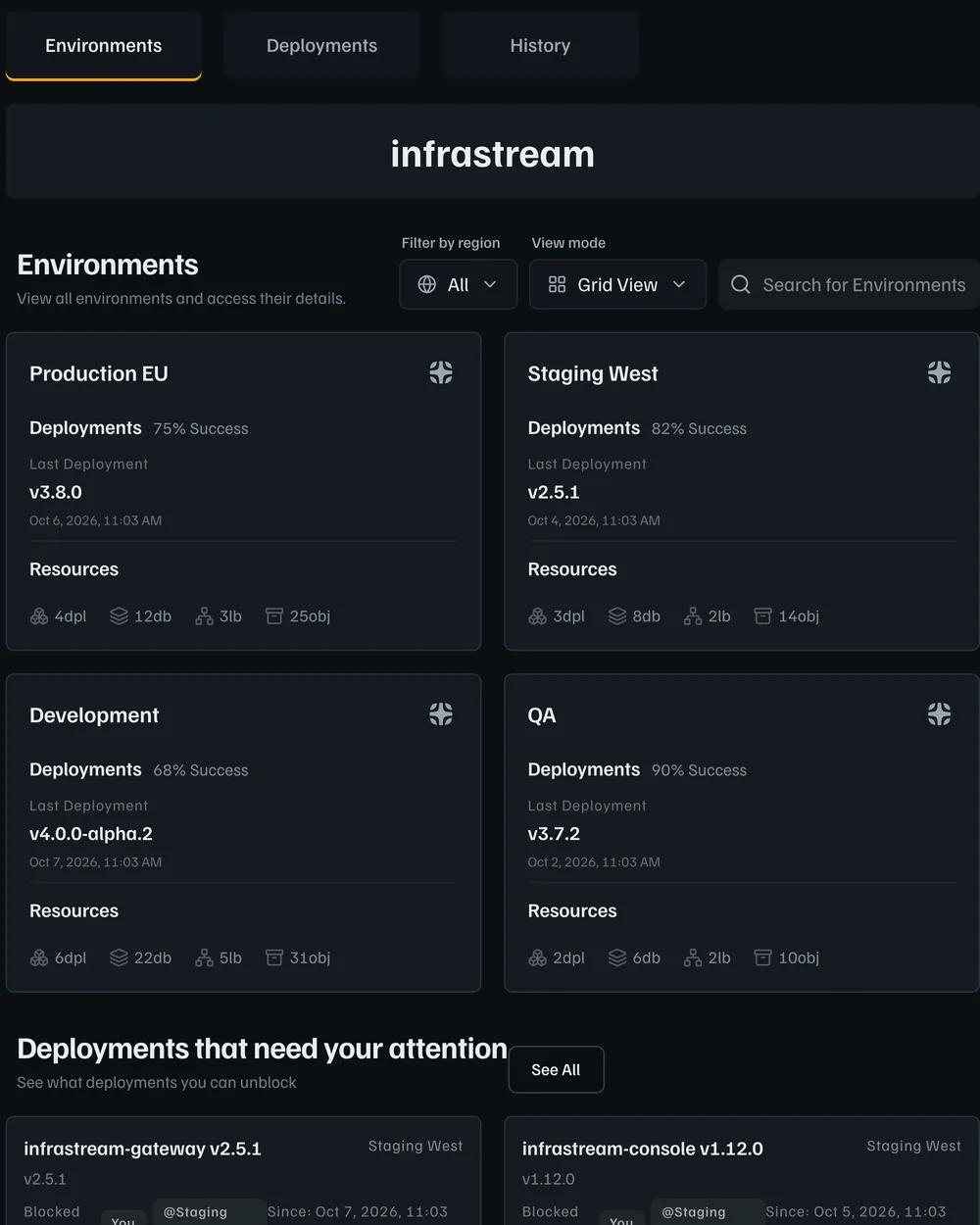
Infrastream separates projects from each other. An access exception arrives as a pull request at the organization root, so it is written down where you can read it. Not yet: an approval before the change is applied is not enforced on every path.
Systematic Load Balancer authentication validation
Application-level segmentation
Per-service service-mesh enforcement
Managed runtime protection for your languages with Falco Talon for Kubernetes or Virtual Machines
Least Privilege, By Design
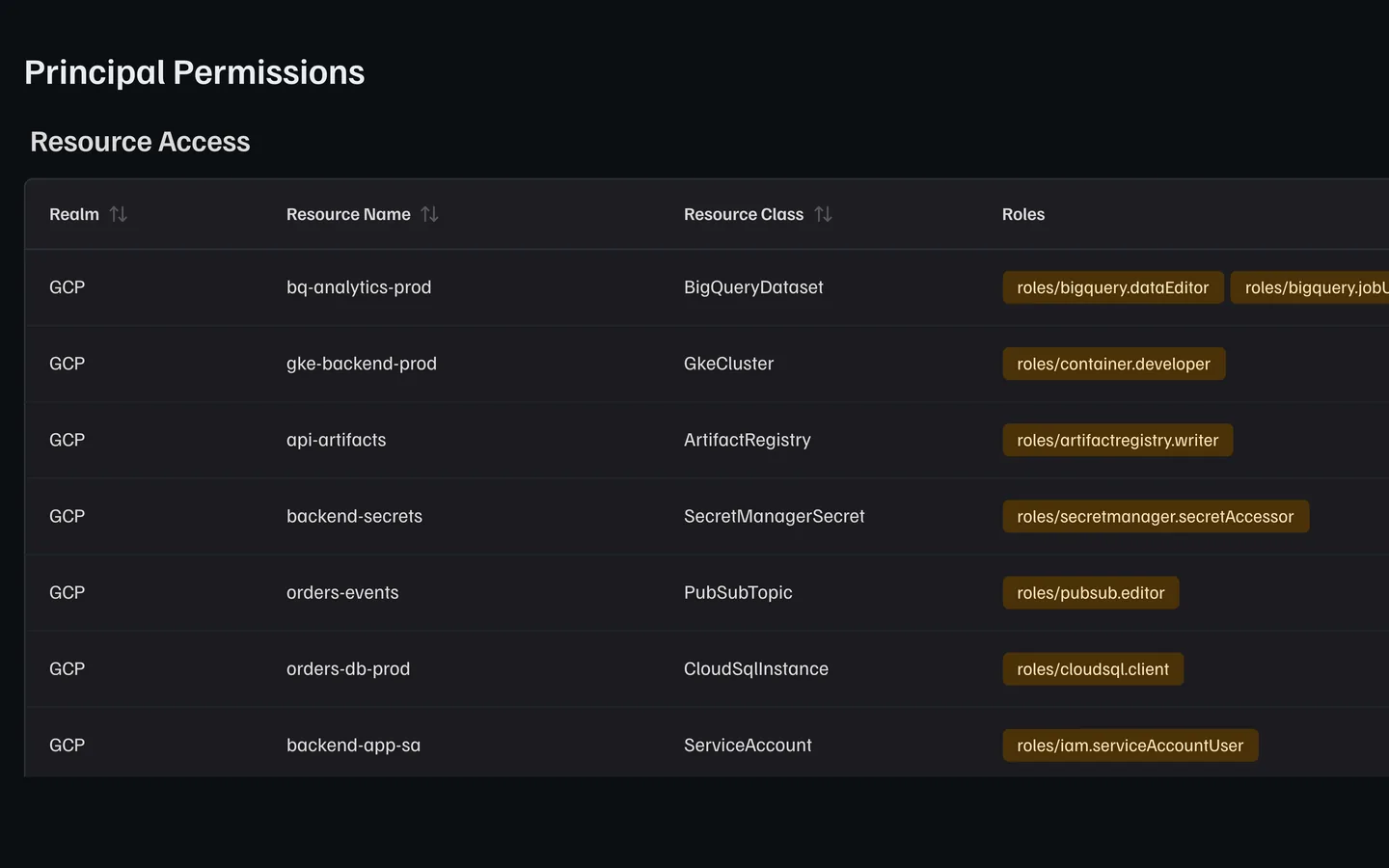
Access isn’t granted “just in case.” It’s provisioned just-in-time, scoped to the task, and logged every step of the way. Every session is unique, time-bound, and fully auditable, ensuring that the principle of least privilege is an operational requirement rather than a manual policy.
Just-in-time access provisioning
Full audit trails and access visibility
Real-time anomaly detection with Cloud Armor
Identity-First Access for Agentic and AI Workloads
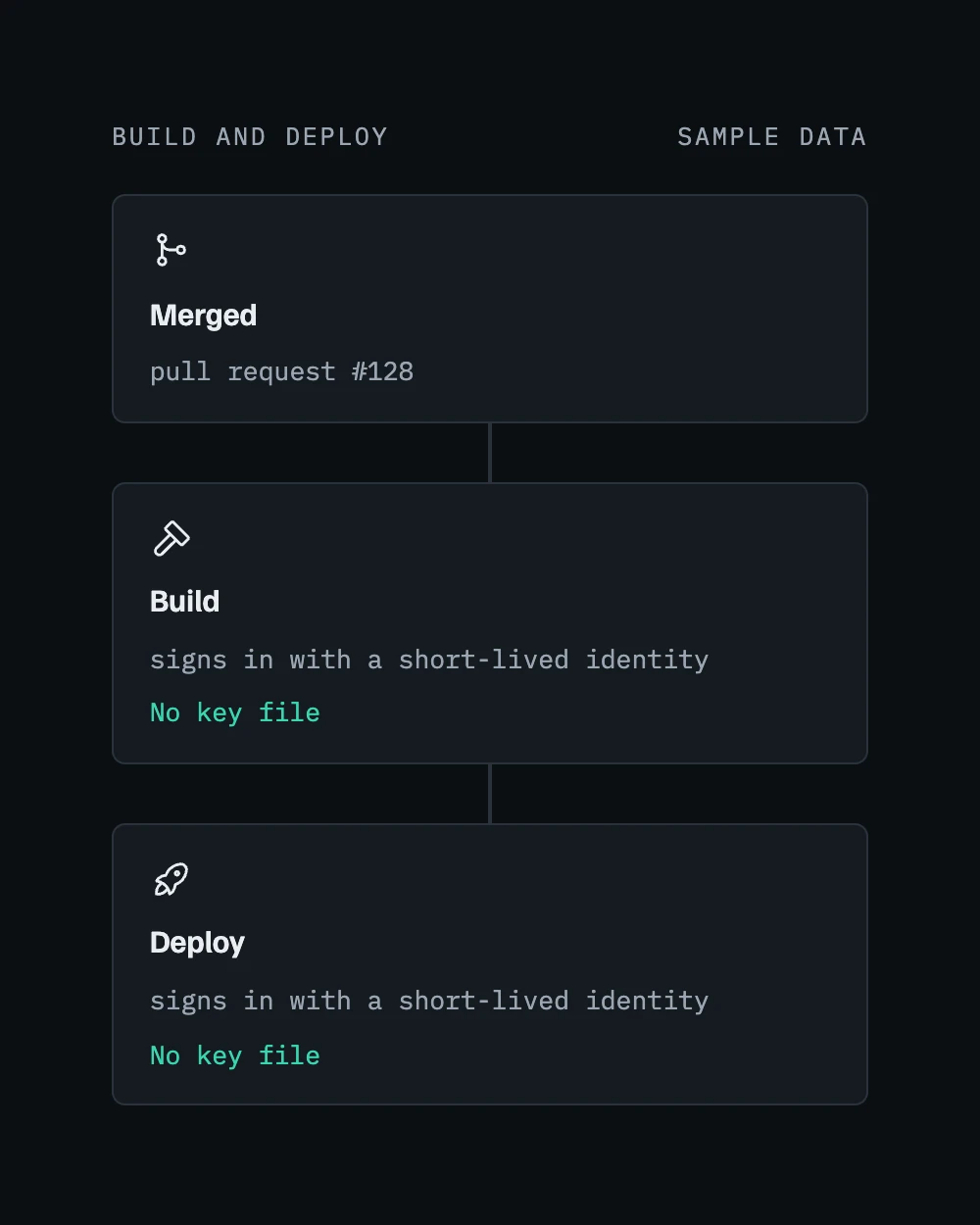
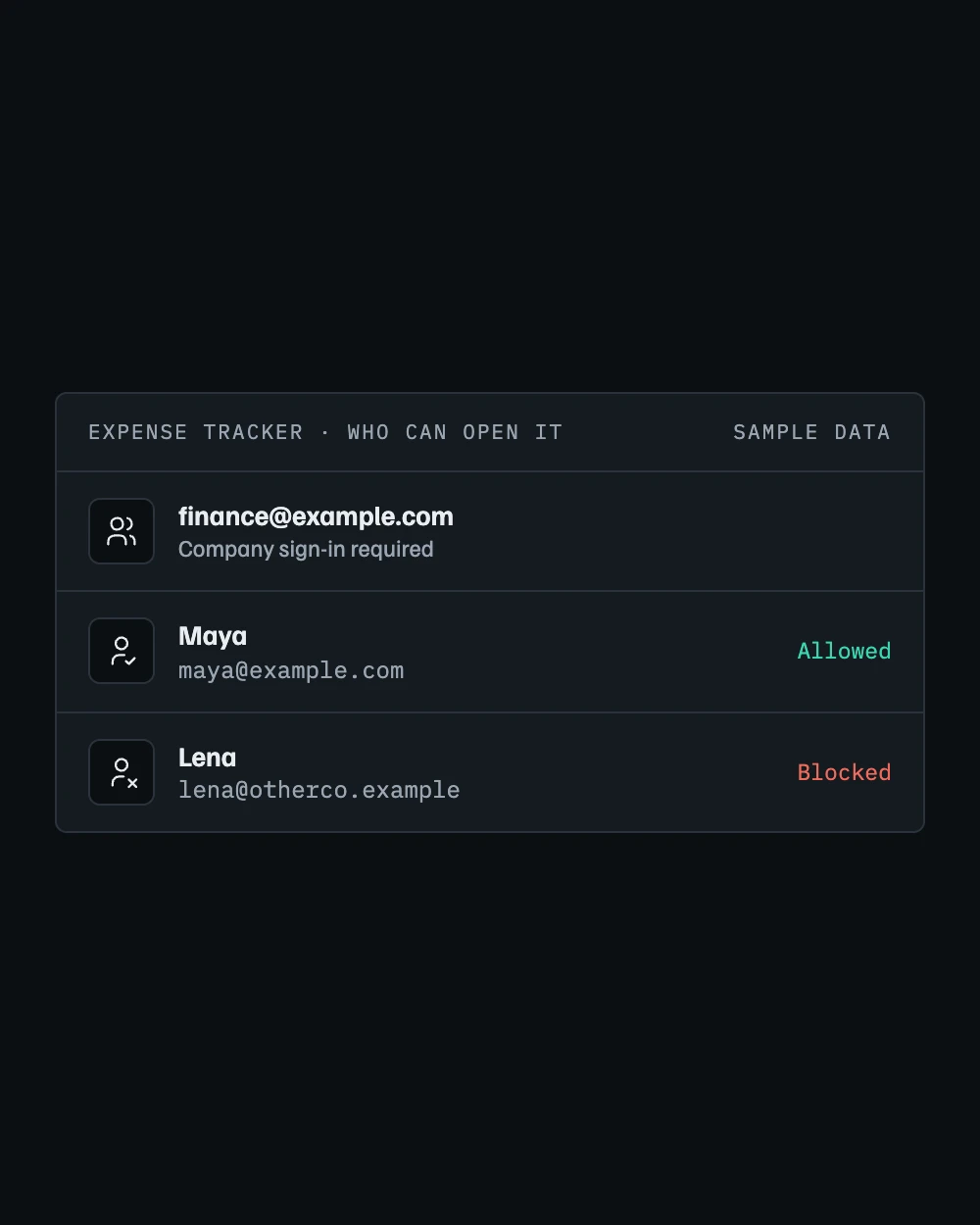
It’s about who you are and what you’re suppose to access. Every request is verified based on identity, role, behavior, and context, not just credentials.
Multi-factor authentication, always on
Role and task based access controls
Continuous session validation and adaptive access logic
Why This Matters
Traditional perimeter-based networks allow lateral movement once a breach occurs, creating high blast-radius risk. Infrastream mitigates this by enforcing a Zero Trust architecture where every project is isolated by default.
Connectivity exceptions arrive as pull requests at the organization root: written changes you can read. Not yet: an approval before a change is applied is not enforced on every path.
A single compromise stays contained instead of becoming a systemic failure.