
Locked down by default
Each project gets its own network, outbound traffic is limited to the sites you list, and private apps sit behind a sign-in.
What is This?
Zero Trust starts from the assumption of breach: a request is not trusted because of where it comes from.
Network Isolation: Every project gets its own network by default.
Outbound Control: Outbound traffic from a project is blocked unless the destination is on your list, plus Google’s own services and system update servers.
Containment: Separate networks, an outbound list and a sign-in in front of private apps limit how far one compromised app can reach.
How Infrastream Enforces Zero Trust
Infrastream works from the GitHub repository and the domain you already have. To undo a change, merge a pull request that returns it to an earlier state. Deleted data does not come back.
Projects kept apart
Infrastream gives each project its own network and its own outbound list. The outbound list is part of your manifests, so a change to it arrives as a pull request you can read. Not yet: an approval before the change is applied is not enforced on every path.
Sign-in checked at the load balancer before a request reaches a private app
Outbound traffic limited to the sites you list
No key files to leak
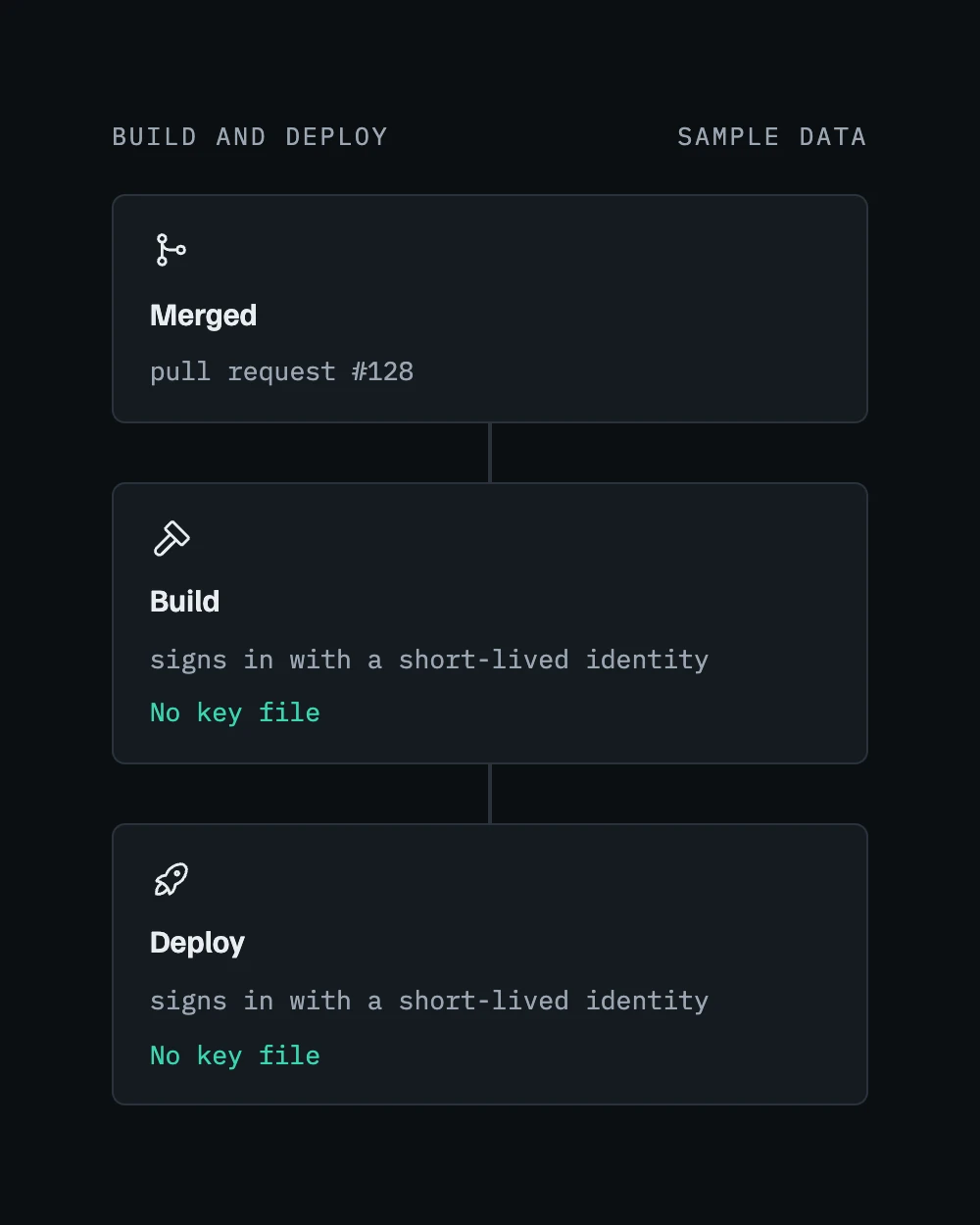
A merged pull request is built and deployed with short-lived identities, so there are no service-account key files to leak. Who can open an app is written in your manifests, so a change to it arrives as a pull request and stays in your Git history.
Short-lived identities for builds and deployments
Every manifest change kept in your Git history
Sign-in comes first
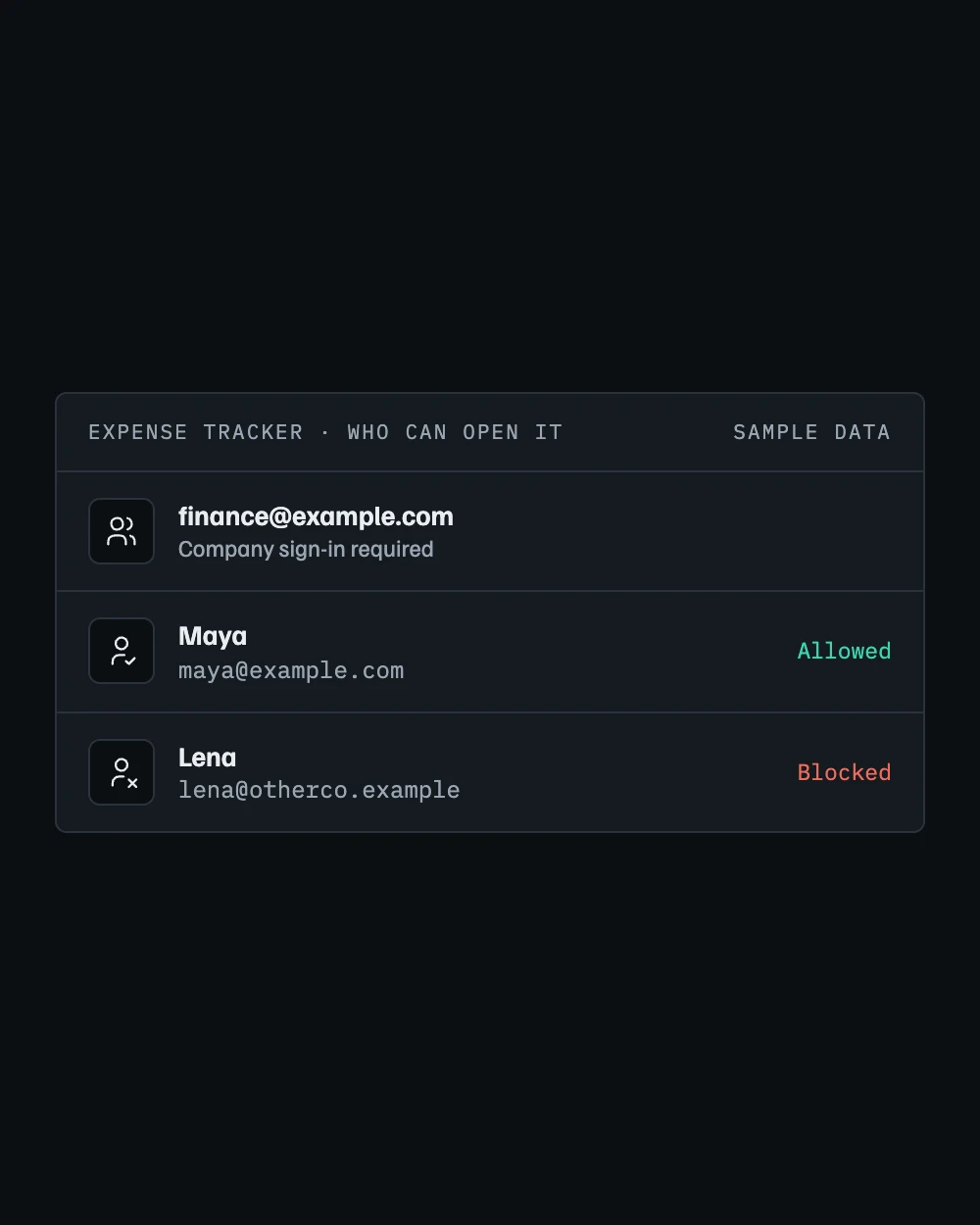
Private apps check who is asking before they answer. Employee apps open only to the Google groups you name; client apps sit behind their own sign-in page.
Employee apps open only to the Google groups you name
Role-based access controls
Why This Matters
Traditional perimeter-based networks allow lateral movement once a breach occurs, creating high blast-radius risk. Infrastream limits the blast radius by giving every project its own network and its own outbound list.
A change to that list arrives as a pull request: a written change you can read. Not yet: an approval before a change is applied is not enforced on every path.
By default, a compromised app has no network route into another project.